
The 8 Core Types of Digital Marketing You Need to Know
Introduction
In today’s hyper-connected world, having a strong online presence isn’t just an option—it’s a necessity. But navigating the vast digital landscape can feel overwhelming. With so many channels and strategies, where do you even begin? Understanding the core types of digital marketing is the first step toward building an effective strategy that drives growth.
This guide will break down the eight fundamental pillars of digital marketing. We’ll explore what each one is, how it works, and its role in helping you connect with your target audience.

1. Search Engine Optimization (SEO)
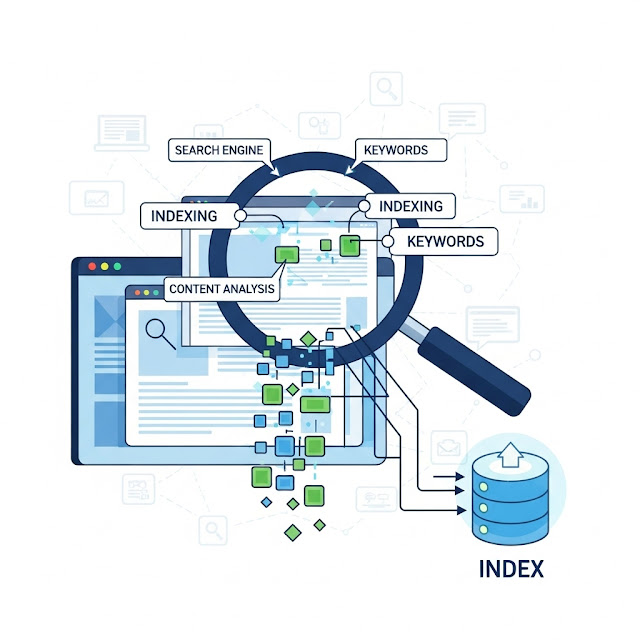
Search Engine Optimization is the practice of optimizing your website to rank higher in search engine results pages (SERPs) for relevant keywords and phrases. The goal is to attract organic (non-paid) traffic. A strong SEO strategy ensures that when potential customers search for products or information related to your business, they find you first. It’s a long-term strategy that builds credibility and trust. SEO is typically broken down into three main categories: on-page SEO, off-page SEO, and technical SEO. For a deeper dive, check out this [internal link: Ultimate Guide to SEO Basics].
2. Search Engine Marketing (SEM) & Pay-Per-Click (PPC)
While SEO focuses on organic traffic, Search Engine Marketing (SEM) involves paid strategies to gain visibility on search engines. The most common form of SEM is Pay-Per-Click (PPC) advertising. Platforms like Google Ads and Bing Ads allow you to bid on keywords and display ads at the top of the SERPs. You only pay when a user clicks on your ad, making it a highly controllable and measurable way to drive targeted traffic to your site almost instantly.
3. Content Marketing
Content marketing is a strategic approach focused on creating and distributing valuable, relevant, and consistent content to attract and retain a clearly defined audience. Instead of directly pitching your products, you provide genuinely useful information that helps your audience solve their problems. 
4. Social Media Marketing (SMM)
Social Media Marketing involves using social media platforms like Facebook, Instagram, LinkedIn, Twitter, and TikTok to connect with your audience, build your brand, increase sales, and drive website traffic. A successful SMM strategy includes creating shareable content, engaging with followers, running paid social media advertising campaigns, and analyzing your results. Each platform has a unique audience and content style, so it’s crucial to tailor your approach to the channels where your target customers are most active.

5. Email Marketing
Email marketing is one of the oldest and still one of the most effective digital marketing channels. It involves sending targeted messages directly to a list of subscribers who have opted in to receive communication from you. It’s a powerful tool for nurturing leads, promoting products, sharing news, and building customer loyalty. Common email campaigns include promotional newsletters, abandoned cart reminders, and personalized automated sequences. Its high return on investment (ROI) makes it a cornerstone of many digital strategies.
6. Affiliate Marketing
Affiliate marketing is a performance-based model where a business rewards one or more affiliates for each visitor or customer brought by the affiliate’s own marketing efforts. You essentially partner with individuals or companies (affiliates) who promote your product to their audience. In return, you pay them a commission for every sale, lead, or click generated through their unique affiliate link. It’s a low-risk, cost-effective way to expand your reach and drive sales through trusted voices.
7. Influencer Marketing
A modern take on celebrity endorsement, influencer marketing involves collaborating with individuals who have a strong following and credibility in a specific niche. These influencers promote your brand or products to their audience. Because influencers have already built trust and engagement with their followers, their recommendations can feel more authentic than traditional advertising. It’s a powerful way to build brand awareness and reach highly targeted audiences.
8. Mobile Marketing
Mobile marketing is a broad category that focuses on reaching an audience on their smartphones or tablets. This can include everything from creating a mobile-friendly website (a must-have!) to SMS/MMS marketing, in-app advertising, and using QR codes. With the majority of internet traffic now coming from mobile devices, optimizing your marketing efforts for the mobile experience is absolutely critical for success.
Putting It All Together: The Integrated Strategy
While each of these types of digital marketing can be effective on its own, their true power is unlocked when they are used together in an integrated digital marketing strategy. For example, you can use content marketing to create a valuable blog post, use SEO to help people find it, promote it with social media marketing and email marketing, and amplify its reach with PPC ads. A holistic approach ensures a consistent brand message across all channels and maximizes your overall impact and ROI.
Conclusion
The world of digital marketing is diverse and constantly evolving, but these eight core types provide a solid foundation for any business. From the long-term brand building of SEO and content marketing to the immediate impact of PPC, each channel offers unique advantages. The key is to understand your audience, define your goals, and choose a mix of strategies that work best for you. By leveraging the right combination, you can create a powerful marketing engine that drives sustainable growth for your business.

Frequently Asked Questions (FAQ)
What is the most effective type of digital marketing?
There’s no single “most effective” type—it completely depends on your business goals, budget, industry, and target audience. For a B2B company, LinkedIn marketing and SEO might be most effective. For an e-commerce brand, PPC and social media marketing on platforms like Instagram might drive the best results. The best approach is to test a combination of channels and analyze the data to see what works for you.
How much does digital marketing cost?
Costs can vary dramatically. Some strategies, like basic SEO and content creation, can be started with a minimal budget if you invest your own time. Others, like large-scale PPC campaigns, can cost thousands of dollars per month. A good starting point is to set clear goals and a realistic budget, then allocate it to the channels most likely to reach your target audience. You can find strategies that fit almost any budget, from a small local business to a global enterprise.
Do I need to use all types of digital marketing?
Absolutely not. It’s much better to do an excellent job on two or three relevant channels than to spread yourself too thin across all of them. Start by identifying where your target audience spends their time online. Focus your efforts there first. As your business grows and you have more resources, you can gradually expand your strategy to include other channels. The goal is quality over quantity.



No comments
Be the first to comment.