
The Most Effective Strategies to Skyrocket Your Website Traffic in 2025
Introduction
In today’s digital landscape, a website is often the cornerstone of any successful business. However, simply having a website isn’t enough; you need visitors. Low website traffic can feel like shouting into the void, making it challenging to generate leads, drive sales, or build brand awareness. But what if there were clear, actionable strategies to turn that trickle into a flood?
This comprehensive guide will unpack the most effective ways to increase traffic to your website in 2025
. We’ll delve into a blend of organic and paid tactics, offering insights and practical steps you can implement today to attract more qualified visitors and achieve your online goals. Get ready to transform your online presence and see your visitor numbers soar!

Mastering Search Engine Optimization (SEO)
At the core of sustainable website traffic growth lies Search Engine Optimization (SEO). This isn’t just about keywords; it’s about making your website discoverable and authoritative in the eyes of search engines like Google.
Key SEO Pillars:
On-Page SEO: Optimizing Your Content
- Keyword Research: Identify the terms and phrases your target audience uses to search for information related to your business. Tools like Semrush or Ahrefs can be invaluable. Focus on a mix of high-volume broad keywords and specific, long-tail keywords.
- High-Quality Content: Create valuable, relevant, and comprehensive content that answers user queries thoroughly. This includes blog posts, articles, landing pages, and product descriptions.
- Title Tags & Meta Descriptions: Craft compelling, keyword-rich title tags (the clickable headline in search results) and meta descriptions (the snippet below the title) to improve click-through rates (CTR).
- Header Tags (H1, H2, H3): Structure your content logically using headers. Your H1 should contain your primary keyword, and subsequent H2s and H3s should break down the content into easily digestible sections.
- Internal Linking: Strategically link to other relevant pages within your website to improve navigation, spread ‘link equity,’ and keep visitors on your site longer. [internal link: blog post on internal linking best practices]
Technical SEO: Ensuring Site Health
- Site Speed: Optimize images, leverage browser caching, and use a Content Delivery Network (CDN) to ensure your website loads quickly. Slow sites frustrate users and are penalized by search engines.
- Mobile-Friendliness: With most internet users browsing on mobile, a responsive design that adapts to all screen sizes is non-negotiable for good rankings and user experience.
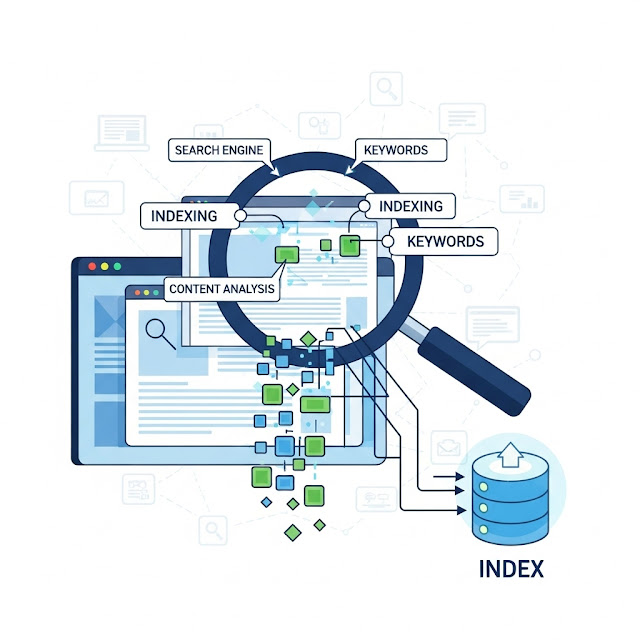
- Sitemaps & Robots.txt: Submit an XML sitemap to search engines to help them crawl and index your pages efficiently. Use a robots.txt file to guide crawlers on which pages to prioritize or ignore.
- Schema Markup: Implement structured data (schema markup) to help search engines understand your content better and display rich snippets in search results, improving visibility and CTR. [external link: https://schema.org]
Leveraging Content Marketing to Attract and Engage
Content marketing is about creating and distributing valuable, relevant, and consistent content to attract and retain a clearly defined audience. It’s a powerful way to demonstrate expertise, build trust, and naturally drive organic traffic.

Content Strategy Essentials
- Blog Posts: Regular, high-quality blog posts are excellent for targeting long-tail keywords, educating your audience, and establishing thought leadership.
- Video Content: Platforms like YouTube are massive search engines themselves. Create tutorials, product reviews, or behind-the-scenes content to capture video viewers.
- Infographics & Visuals: Complex data becomes digestible and shareable with well-designed infographics. Use compelling images and videos throughout your site to enhance engagement.
- Evergreen Content: Develop cornerstone content that remains relevant over time, continually attracting new visitors without constant updates.
- Content Syndication & Repurposing: Don’t let your content live in a silo. Repurpose blog posts into podcasts, videos into blog summaries, or whitepapers into a series of social media posts. Syndicate your content to reach new audiences on platforms like Medium or LinkedIn Articles.
Harnessing Social Media Marketing
Social media platforms are not just for connecting with friends; they are powerful traffic drivers. A robust social media strategy can extend your reach, engage your audience, and direct them back to your website.
Organic Social Media Growth
- Platform Selection: Focus your efforts on platforms where your target audience spends most of their time (e.g., LinkedIn for B2B, Instagram/TikTok for visual brands, Facebook for broad audiences).
- Consistent Posting: Maintain a regular posting schedule with diverse content formats (images, videos, stories, reels, carousels) to keep your audience engaged and grow your following.
- Community Engagement: Respond to comments, messages, and mentions. Participate in relevant groups and discussions to build relationships and establish your brand as an expert.
- Influencer Collaborations: Partner with influencers whose audience aligns with yours to tap into new demographics and drive referral traffic. [internal link: guide to influencer marketing]
Paid Social Media Advertising
For a quicker boost in traffic, paid social ads offer precise targeting capabilities. You can reach specific demographics, interests, and behaviors, ensuring your ads are seen by the most relevant audience. Platforms like Facebook Ads Manager, LinkedIn Ads, and TikTok Ads allow for highly granular audience segmentation and A/B testing of creatives.
Driving Traffic with Paid Advertising (PPC)
While organic methods build long-term sustainable traffic, paid advertising (Pay-Per-Click or PPC) offers immediate visibility and highly targeted traffic. It’s an excellent way to supplement your organic efforts and quickly test market interest.
Types of Paid Advertising
- Search Engine Marketing (SEM): Google Ads is the dominant platform here. Bid on keywords to appear at the top of search results. This is highly effective as you’re capturing users with explicit intent.
- Social Media Ads: Beyond organic posts, paid ads on platforms like Facebook, Instagram, LinkedIn, and X (formerly Twitter) allow for incredible targeting based on demographics, interests, and behaviors.
- Display Advertising: Reach a broad audience across millions of websites and apps. While generally lower CTRs than search ads, display ads are great for brand awareness and retargeting.
- Retargeting/Remarketing: Show ads specifically to users who have previously visited your website. This is a highly effective strategy for bringing back interested visitors and encouraging conversions.
The Power of Email Marketing
Email marketing remains one of the most effective and cost-efficient ways to drive traffic and nurture leads. It allows for direct communication with an engaged audience you already own, unlike social media algorithms or search engine rankings that you don’t control.
Building and Engaging Your Email List
- Lead Magnets: Offer valuable incentives like free e-books, whitepapers, webinars, or exclusive discounts in exchange for email addresses.
- Website Pop-ups & Forms: Strategically place opt-in forms on your website, ensuring they are non-intrusive and clearly convey the value of subscribing.
- Segmentation: Divide your email list into smaller, targeted groups based on interests, purchase history, or behavior. This allows for highly personalized and relevant content.
- Consistent Value: Regularly send newsletters, promotional offers, updates, and exclusive content. Always include clear calls to action (CTAs) that link back to relevant pages on your website.
Essential Supporting Tactics for Traffic Growth
Beyond the core channels, several other tactics play a crucial role in enhancing your overall traffic generation efforts.
Link Building (Off-Page SEO)
High-quality backlinks from authoritative websites signal to search engines that your site is trustworthy and valuable. Strategies include guest blogging, broken link building, creating shareable content, and reaching out to industry influencers. Focus on earning natural, relevant links.
User Experience (UX) and Website Performance
A fast, intuitive, and visually appealing website encourages visitors to stay longer and explore more pages, which indirectly boosts traffic by improving SEO signals (like dwell time and bounce rate). Ensure easy navigation, clear calls to action, and engaging design.
Analytics and Continuous Optimization
You can’t improve what you don’t measure. Utilize tools like Google Analytics 4 (GA4) to track your traffic sources, user behavior, conversions, and more. Regularly review your data to identify what’s working, what’s not, and where to allocate your resources for maximum impact. A/B test headlines, CTAs, and page layouts to continually refine your approach.

Conclusion
Increasing website traffic is not a one-time task but an ongoing journey that requires a multi-faceted and adaptive strategy. There’s no single magic bullet; rather, it’s the synergistic combination of robust SEO, valuable content marketing, strategic social media engagement, targeted paid advertising, and nurturing email campaigns that yields the best results.
Remember to consistently analyze your performance, adapt to new trends, and prioritize providing exceptional value to your audience. By diligently implementing these effective strategies, you’ll not only see a significant boost in your website traffic but also attract more qualified visitors ready to engage with your brand and convert into loyal customers. Start implementing these tactics today and watch your online presence flourish!
Frequently Asked Questions (FAQ)
How long does it take to see results from traffic-building strategies?
The timeline varies significantly depending on the strategy. Paid advertising can yield immediate results, often within days. Social media marketing can show traction within weeks to a few months. SEO and content marketing, while highly effective for long-term sustainable growth, typically require 3-6 months or more to show significant results, as search engines take time to crawl, index, and rank new content.
Should I focus on organic or paid traffic first?
Ideally, a balanced approach is best. Paid traffic offers immediate visibility and data for testing, while organic traffic builds long-term authority and cost-effectiveness. If resources are limited, many businesses start with a strong focus on organic (SEO and content) to build a solid foundation, supplementing with targeted paid campaigns for specific promotions or rapid boosts. The right mix depends on your budget, goals, and industry.
What’s the most important metric to track for website traffic?
While metrics like total visitors and page views are important, conversion rate is arguably the most crucial. It tells you how many of your visitors are taking a desired action (e.g., making a purchase, filling out a form, subscribing). High traffic with a low conversion rate means you’re attracting the wrong audience or your website isn’t optimized for your goals. Always track traffic sources alongside their respective conversion rates to understand true effectiveness.
Can user experience (UX) really impact website traffic?
Absolutely. A poor user experience leads to high bounce rates and low time on site. Search engines interpret these as signals that your website isn’t providing value, which can negatively impact your rankings and, consequently, your organic traffic. A positive UX encourages longer visits, more page views, and repeat visitors, all of which contribute to better search engine visibility and direct traffic over time. It’s a critical, often overlooked, component of traffic growth.



No comments
Be the first to comment.